All Categories
Featured


Evaluating 2026 Term Life Rates
Table of Contents
Some likewise include Medicare drug coverage (Part D). These other types of health insurance consist of: Medicare Cost PlansDemonstration/pilot programsProgram of Complete Look after the Elderly (RATE).
Require registration information:, 7 days a week. From extra dental, vision, and hearing coverage to resources and support you can utilize every day, Wellcare simply offers you more consisting of $0 or low month-to-month plan premiums. Things to look for in your Medicare Benefit strategy alternatives: Depending upon your area, Wellcare offers plan types like D-SNP, HMO, PPO, and C-SNP so you can select the coverage option that's right for you.
A copayment, or copay, is the quantity you pay for a covered service. It is crucial to consider copay amounts when comparing the whole cost of plans. All Medicare Advantage plans are needed to offer the same protection as Original Medicare, that includes Part A (hospital) and Part B (medical) coverage.
Comparing Term and Whole Plans
The deductible is the amount of money you pay out of pocket before your strategy starts to pay. Medicare Advantage plans have low or no deductibles and limited out-of-pocket costs, unlike Original Medicare. 8 a.m.-8 p.m., 7 days a week.
Selecting these links will take you far from HealthSpring Medicare strategies. 1 Not all Medicare Advantage Plans consist of Part D prescription coverage. 2 The Silver & Fit program is supplied by American Specialized Health Fitness, Inc., a subsidiary of American Specialized Health Incorporated (ASH). All programs and services are not offered in all locations.
Insurance in Stanton CANon-standard services that call for an included charge are not part of the physical fitness program and will not be compensated. This information is not a complete description of advantages.
Medicare Advantage Plans offered across the country in 2026. The number of plans readily available to an individual Medicare recipient differs from state to state.
Burial Insurance Tips for Veterans
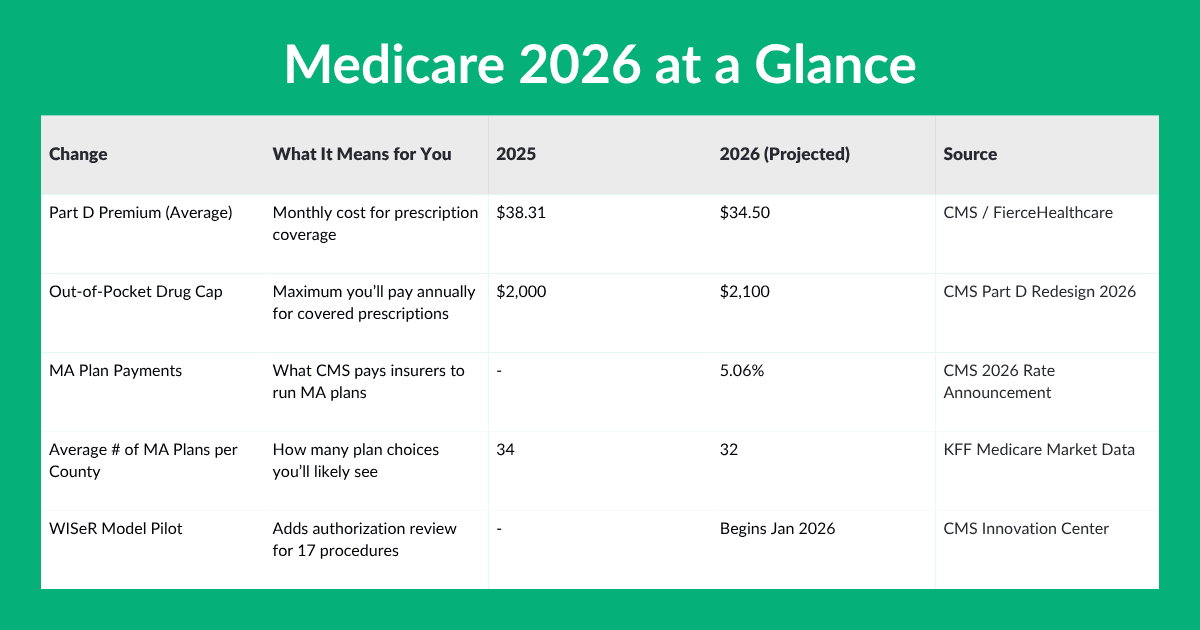
The typical month-to-month premium for Medicare Advantage plans with prescription drug coverage is expected to decrease from $16 in 2025 to $14 in 2026. It is approximated that about 81% of Medicare receivers are enrolled in Part D, which covers prescription drug expenditures. The CMS estimates that monthly premiums for stand-alone Part D plans will drop from $38 in 2025 to $34 in 2026.
Nevertheless, insurance business will be enabled to raise Part D premiums as much as $50 monthly, higher than the current $35 regular monthly optimum. Medicare authorities are expected to continue to work out prices for drugs covered under Part D.Experts state that might result in discounts of 38% to 79% on sticker price on 10 commonly used prescriptions, consisting of blood thinners Eliquis and Xarelto, along with diabetes medications Januvia, Jardiance, and Farxiga. People with Part D plans will also continue to have the choice to make use of an automated prescription payment strategy that spreads out drug expenses for many years.
, MD, an expert in otolaryngology head and neck surgery, obesity medication, and lifestyle medicine as well as the co-founder and chief executive officer of Side Health in Orinda, CA.Despite these cost decreases, experts state some Medicare receivers might still pay more for prescription drugs."Although the rate of Part D (drug benefits) might lower in general, the reduction in options and modifications to covered medications might result in greater expenses for consumers of certain specialized medications," Kelley noted.
Reviewing Term and Term Plans
Medicare Advantage Plans readily available nationwide in 2026. The number of strategies available to a private Medicare recipient differs from state to state.
The average month-to-month premium for Medicare Advantage prepares with prescription drug coverage is anticipated to decrease from $16 in 2025 to $14 in 2026. It is estimated that about 81% of Medicare recipients are registered in Part D, which covers prescription drug expenditures. The CMS estimates that monthly premiums for stand-alone Part D plans will drop from $38 in 2025 to $34 in 2026.
Part D premiums as much as $50 per month, greater than the current $35 monthly maximum.
In the end, it implies less money in customers' pockets." Kanwar Kelley, MD, an expert in otolaryngology head and neck surgical treatment, weight problems medicine, and lifestyle medication as well as the co-founder and primary executive officer of Side Health in Orinda, CA.Despite these price decreases, professionals say some Medicare receivers might still pay more for prescription drugs."Although the cost of Part D (drug benefits) may reduce in general, the decrease in options and modifications to covered medications might result in higher costs for consumers of certain specialized medications," Kelley noted.
Why Whole Life Works
The Centers for Medicare & Medicaid Services (CMS) approximates there will be about 5,600 Medicare Benefit Plans offered nationwide in 2026. That is close to the numbers from 2025, when the number of choices reduced from the previous year. The number of plans readily available to a private Medicare recipient differs from state to state.
, which covers prescription drug expenses.
Insurance coverage companies will be permitted to raise Part D premiums as much as $50 per month, higher than the existing $35 monthly maximum. Medicare authorities are anticipated to continue to work out costs for drugs covered under Part D.Experts state that might result in discounts of 38% to 79% on sale price on 10 widely used prescriptions, including blood thinners Eliquis and Xarelto, as well as diabetes medications Januvia, Jardiance, and Farxiga. Individuals with Part D plans will also continue to have the alternative to make use of an automated prescription payment plan that expands drug costs throughout the years.
Why Indexed Universal Life Builds Value
In the end, it means less money in customers' pockets." Kanwar Kelley, MD, a specialist in otolaryngology head and neck surgical treatment, obesity medication, and lifestyle medication as well as the co-founder and ceo of Side Health in Orinda, CA.Despite these rate reductions, specialists state some Medicare receivers could still pay more for prescription drugs."Although the rate of Part D (drug benefits) might lower in general, the reduction in alternatives and changes to covered medications could result in higher expenses for customers of certain specialized medications," Kelley noted.

Latest Posts
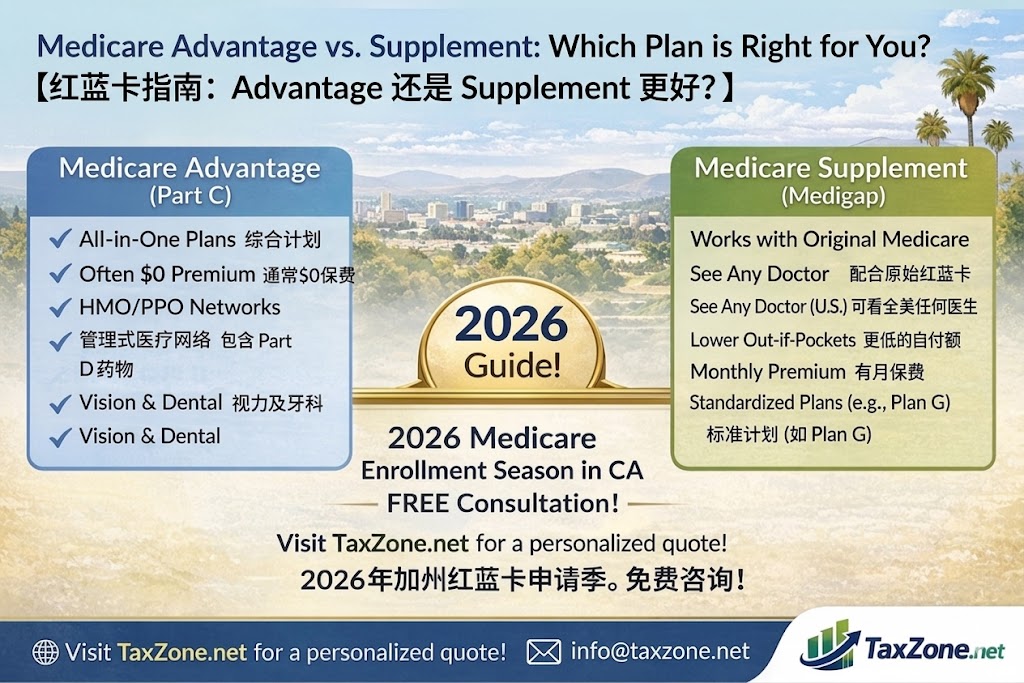
Direct Consumer Advice for Buying 2026 Medicare Products
Securing Affordable 2026 Individual Health Insurance

Medicare Part D Enrollment and Drug Advice